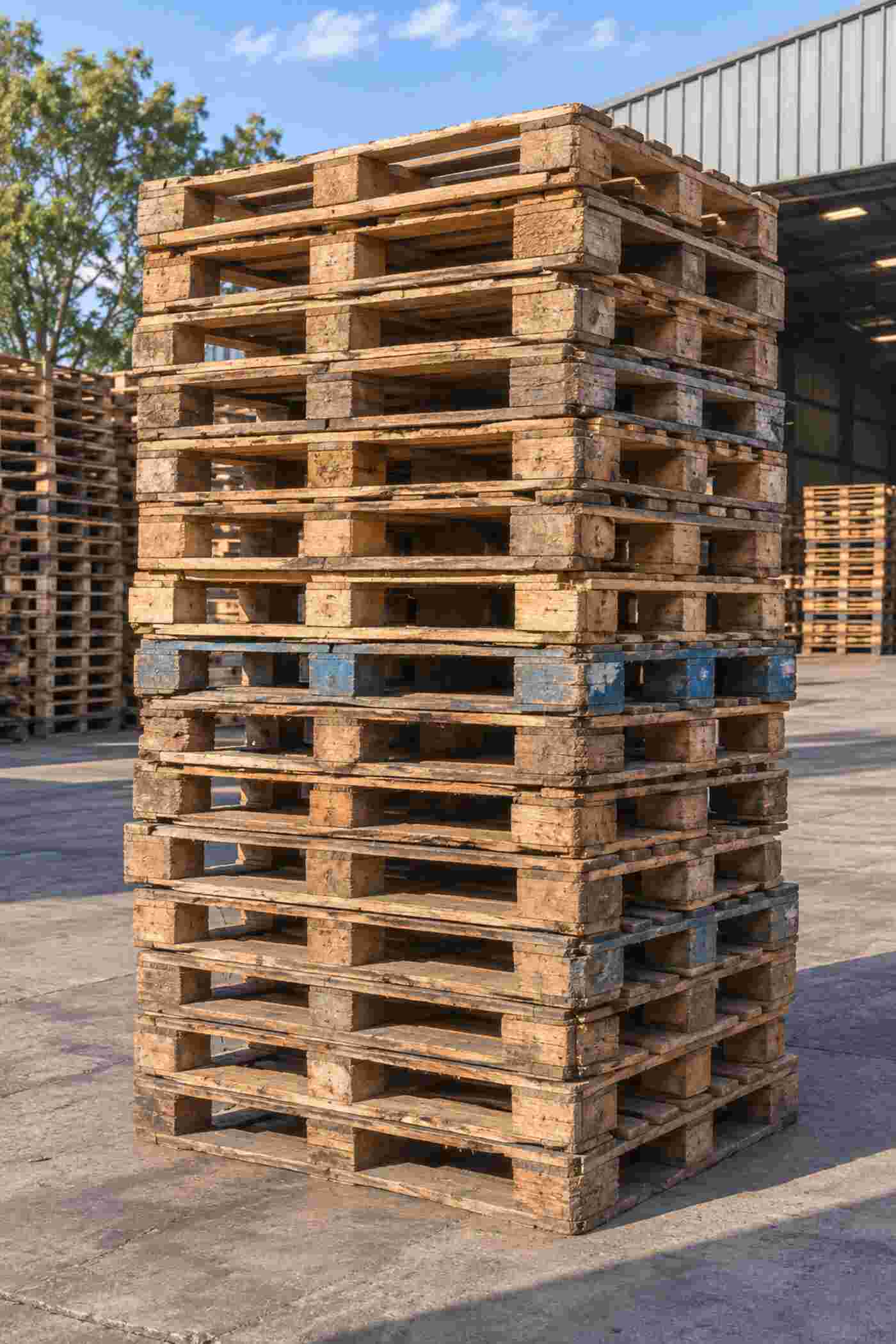
In short: pallet wood reuse starts with the stamp. Under the international ISPM 15 standard, wooden packaging that crosses borders is treated against pests and marked with a code. HT means heat treated, the safer choice for home projects. MB means methyl bromide, an ozone-depleting toxic fumigant, so those pallets should not be used indoors, for food or as firewood. A stamp tells you nothing about spills, so stained or smelly pallets are best left alone.
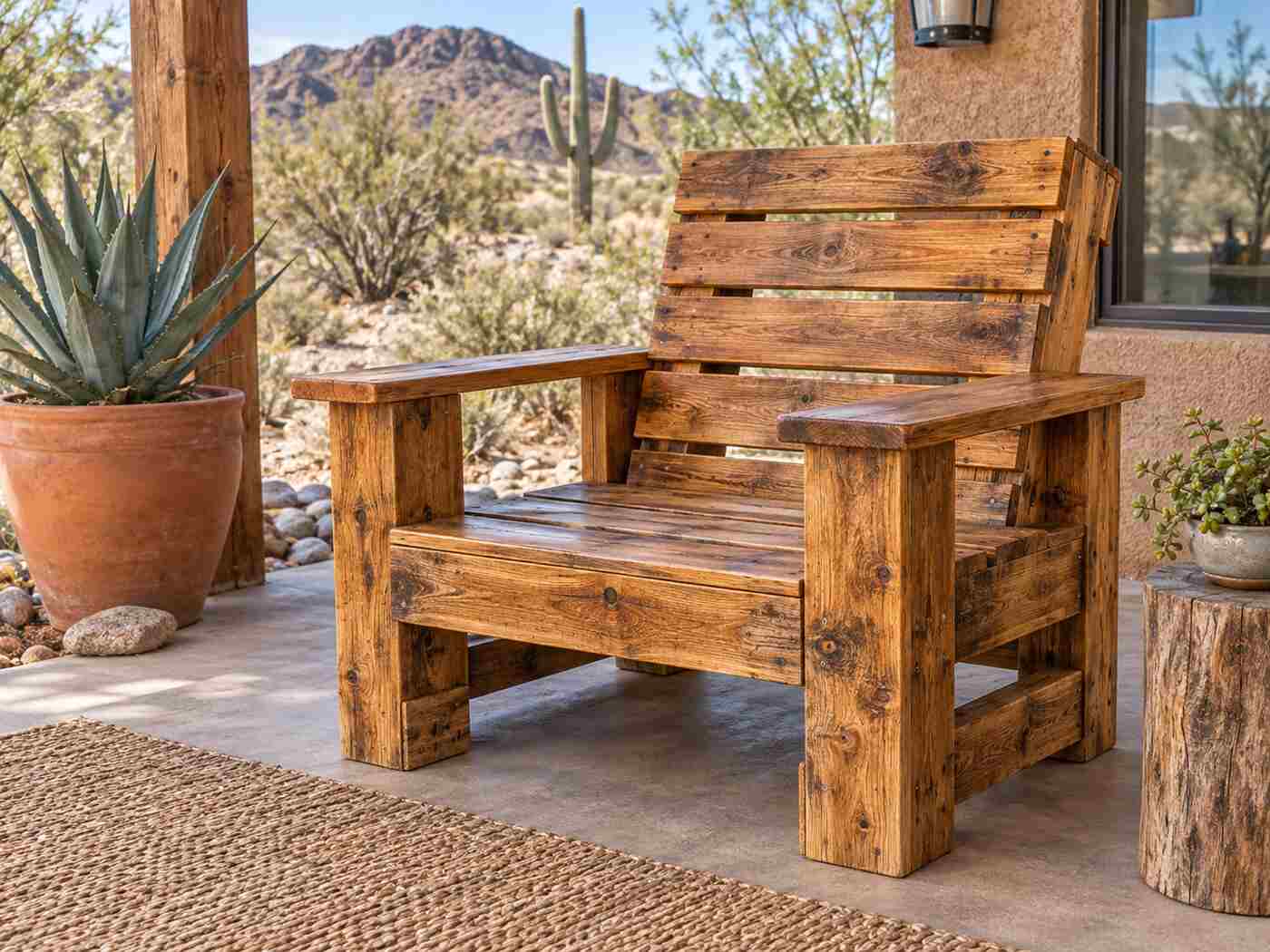
Pallets are among the most common free building materials, and the old Holy Scrap blog built at least one chair from them. They are also industrial packaging, and some have been treated with chemicals or carried things you would not want in a kitchen or garden. This guide explains the marks, the treatments and the questions to ask before you take a pallet home.
What is ISPM 15?
ISPM 15 is International Standard for Phytosanitary Measures No. 15, a rule adopted under the International Plant Protection Convention to stop insects and diseases travelling in wood packaging. It covers pallets, crates, dunnage and similar material made of raw wood. The Australian Department of Agriculture’s ISPM 15 guide explains that the treatments kill pests at the time of treatment but do not stop the wood being reinfested later. It also confirms that treated and marked packaging can be reused.
In the United States the rule is enforced at the border by US Customs and Border Protection. Domestic pallets that never cross a border do not need the mark, which is why many pallets carry no stamp at all.
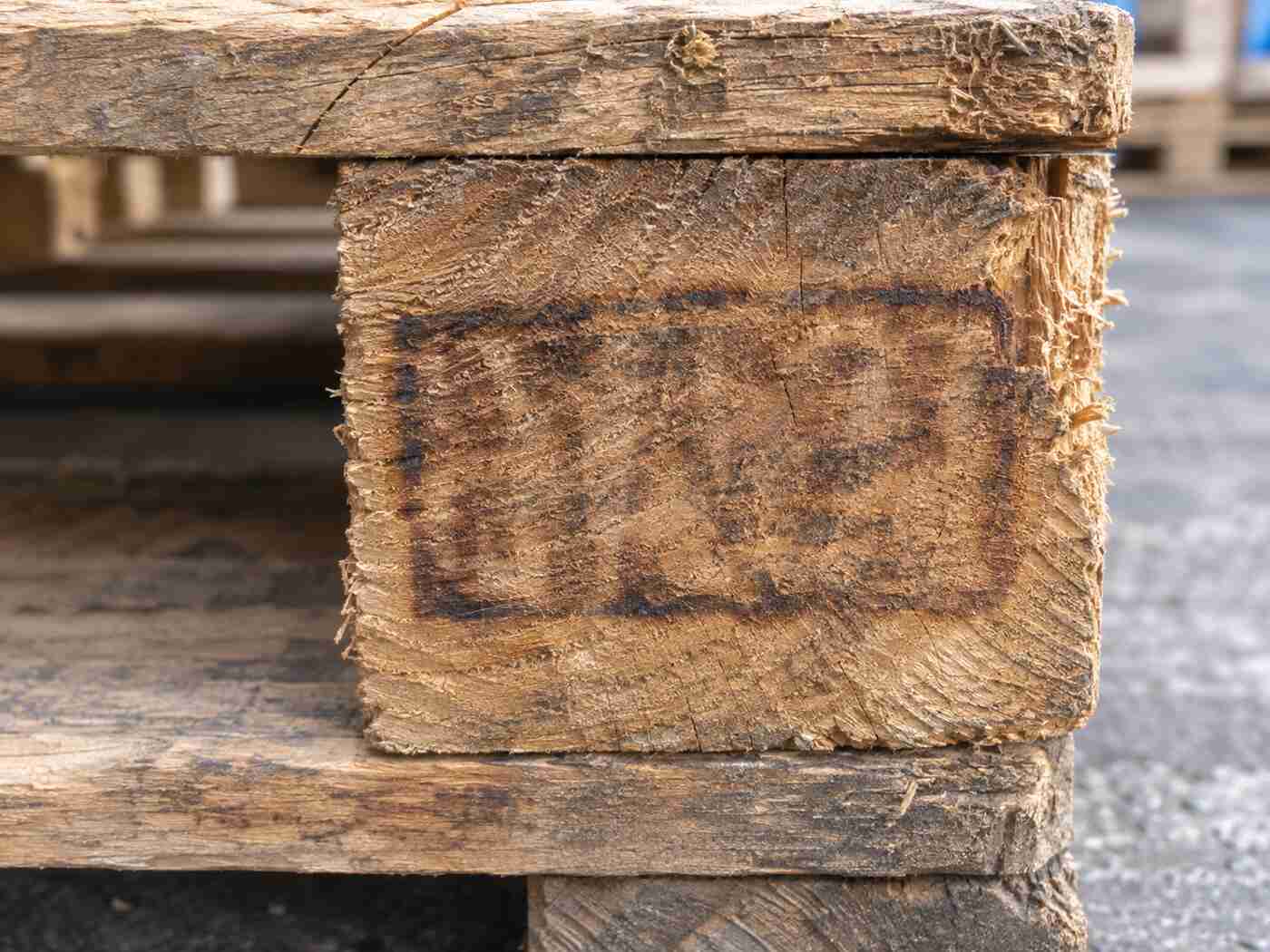
How to read the stamp
CBP describes the approved mark as having several parts: the IPPC symbol, which looks like a wheat ear; a two-letter country code; a number identifying the treatment facility or producer; and a treatment code. The mark must appear on at least two opposite sides of the item.
| Code | Meaning | Home use |
|---|---|---|
| HT | Heat treated: wood core held at 56°C for 30 minutes | Generally the safer choice |
| DH | Dielectric heating: 60°C for 1 minute | Treated with heat, not chemicals |
| MB | Methyl bromide fumigation for at least 16 hours | Avoid indoors, for food or as firewood |
| SF | Sulfuryl fluoride fumigation | A chemical fumigant; treat with caution |
| KD or DB | Kiln dried or debarked, older or non-ISPM marks | Not a pest treatment code on its own |
The heat treatment and fumigation figures come from CBP. The dielectric heating, sulfuryl fluoride and older code descriptions come from pallet.design’s guide to pallet stamps and markings.
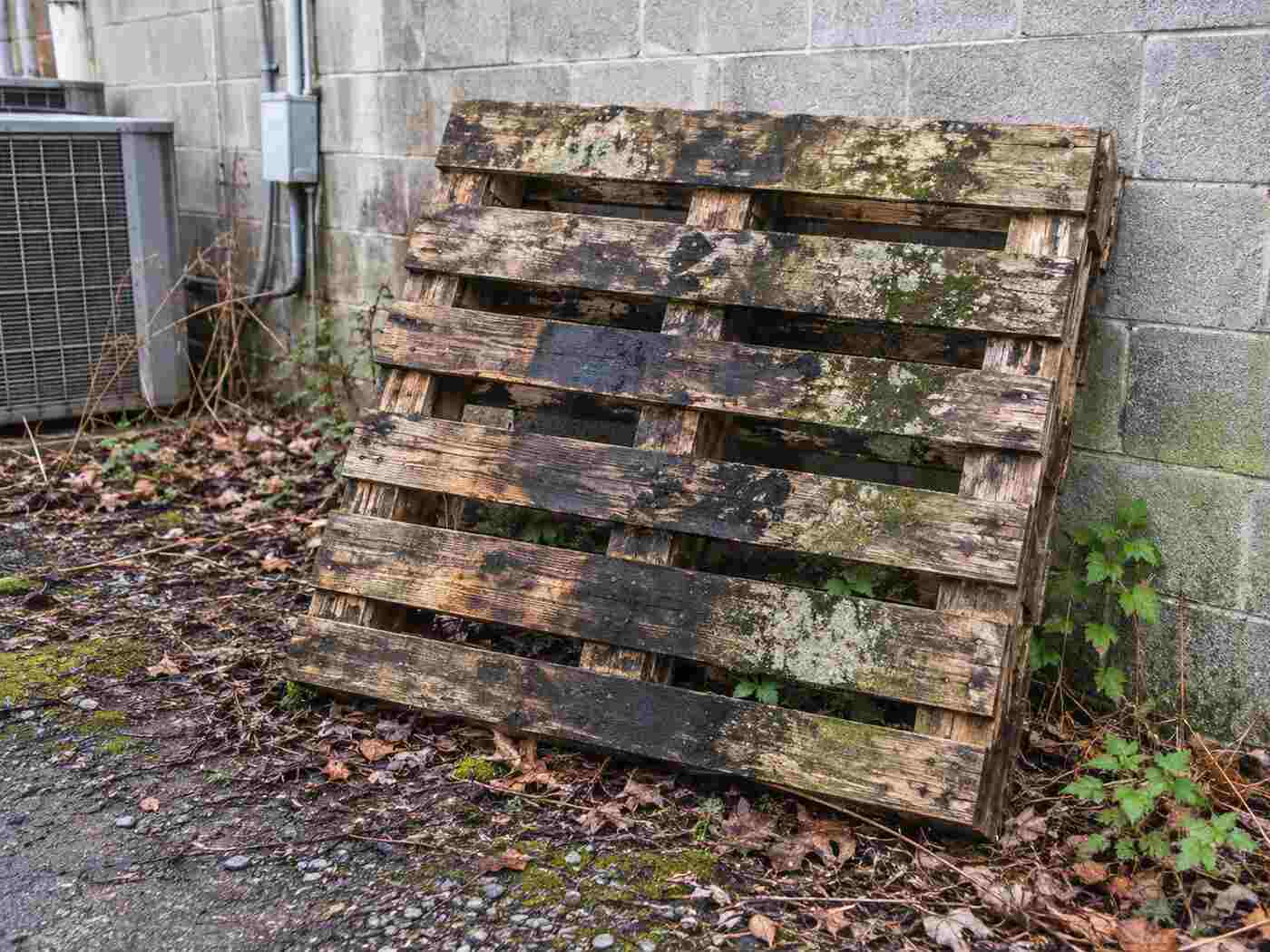
Why methyl bromide pallets stay outside
Methyl bromide is a gas fumigant that kills pests in wood, soil and stored goods. The US Environmental Protection Agency lists it as an ozone-depleting substance, says its production and import were phased out in the United States from January 1, 2005, and notes an exemption that still allows its use for quarantine and pre-shipment treatments, which includes some wood packaging. The EPA also warns that it is highly toxic and can harm the central nervous and respiratory systems.
For these reasons the pallet.design guide advises against using MB-marked pallets for indoor furniture, anything that touches food, or firewood. Burning fumigated or contaminated wood can release chemicals into the smoke.
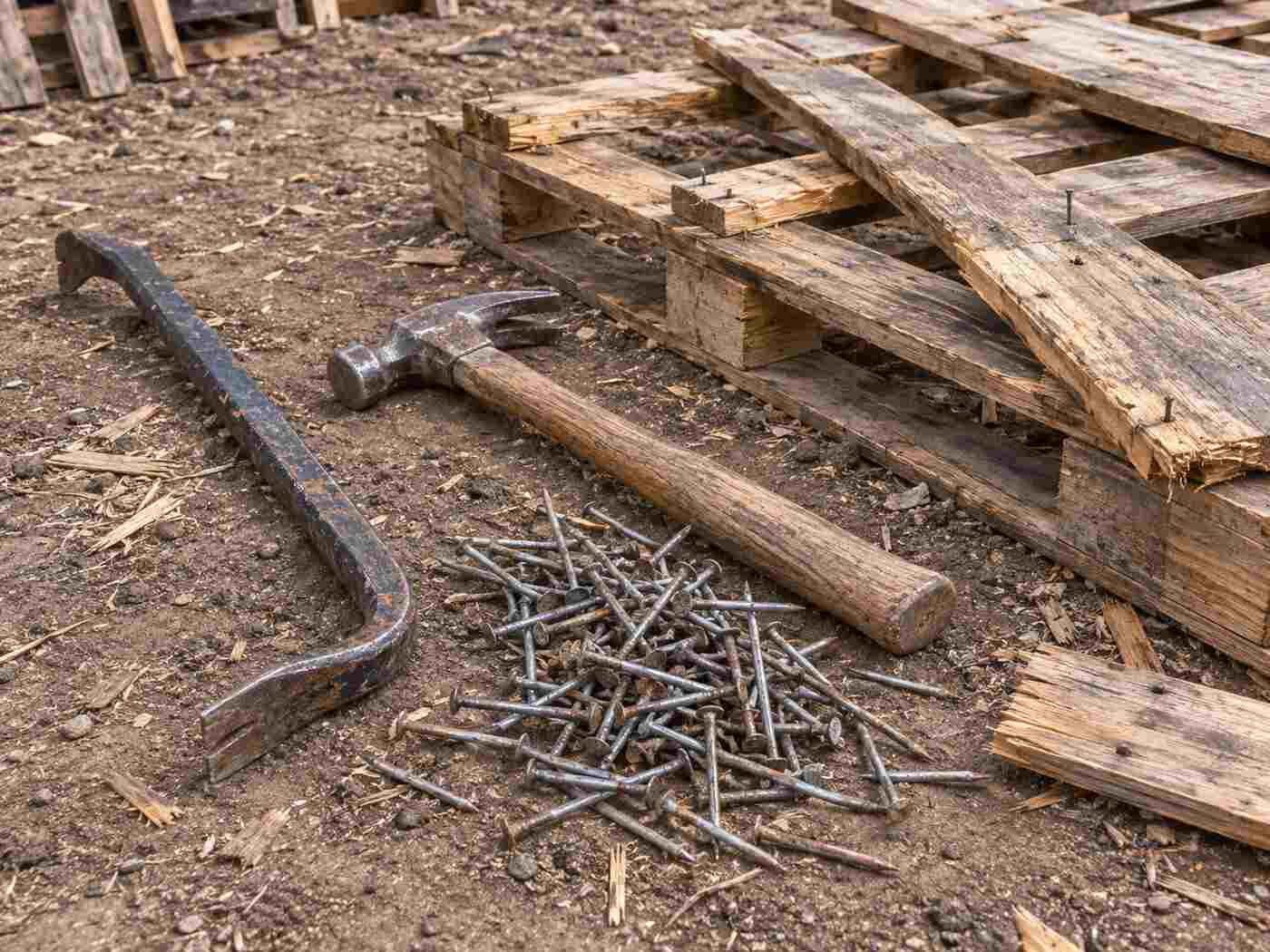
What a stamp doesn’t tell you
A heat-treated stamp describes how the wood was treated before it was first shipped. It says nothing about what the pallet carried afterwards. A pallet that sat under leaking chemical drums, food waste or engine oil can be stained or contaminated whatever its stamp says. The pallet.design guide makes this point, and recommends looking for stains, odd smells and mould before taking any pallet.
Two other cases deserve care. Painted pallets, often blue, red or brown, usually belong to a pooling company that rents them out, and the guide notes they remain that company’s property. And a pallet that has had more than a third of its parts replaced is considered remanufactured, so the original mark may no longer describe all the wood in it.
Which pallets are best for home projects?
For a chair, shelf or garden bed, the safest choice is a clean, dry pallet marked HT, with no stains, no strong smell and no paint. Unmarked domestic pallets may also be untreated, but you cannot confirm that from the wood alone, so the same visual checks apply. For anything that touches food or soil you will eat from, some builders prefer to buy new untreated lumber instead.
Ask for permission before taking pallets from behind a business. Many are reused or returned for a deposit, and some belong to rental pools.
Taking pallets apart
Pallets are built to survive forklifts, so their nails are often ringed or spiral and hold fast. Common approaches are prying the boards up with a flat bar, cutting through the nails with a reciprocating saw, or cutting the boards next to the stringers and using shorter pieces. Wear gloves and eye protection; old pallet wood often has splinters, hidden nails and grit that can dull tools.
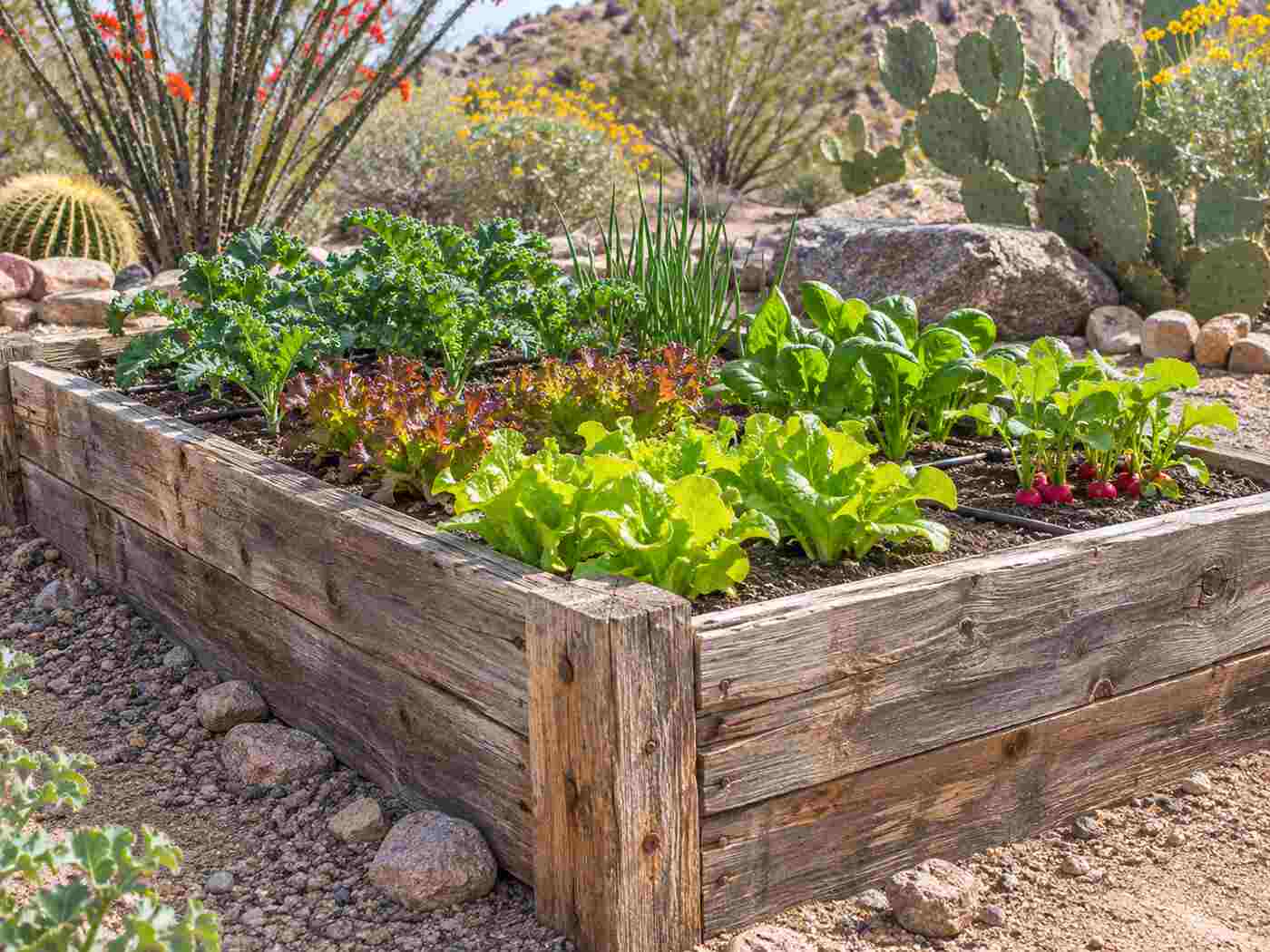
Sand reclaimed boards outdoors with a dust mask, and seal finished furniture if it will be used indoors. Garden beds made from pallet wood are popular; the same stamp checks apply, and many growers line beds or use the wood only for frames. For other ways to grow food in a dry climate, see our guide to edible desert plants of New Mexico.
Pallet reuse in a post-consumer household
Reusing pallets keeps wood out of landfill and saves money, which is why they turn up in so many homestead projects. They work best alongside other reuse habits covered on this site, such as stretching battery life with good charging practice in our lead-acid battery desulfation guide, or understanding the real limits of recycled fuels in our guide to waste vegetable oil as fuel. The common thread is checking what a material has been through before you put it to a new use.
Key takeaways
- Pallet wood reuse is safest with clean, dry, heat-treated (HT) pallets.
- ISPM 15 marks show the IPPC symbol, country code, facility number and treatment code.
- Methyl bromide (MB) is toxic and ozone-depleting; keep MB pallets away from indoor, food and firewood uses.
- A stamp says nothing about spills; reject stained, smelly or mouldy pallets.
- Painted pallets often belong to rental pools, so ask before taking them.
Common questions
Is it safe to burn pallet wood?
Heat-treated, clean pallets are the lowest-risk option, but sources advise never burning MB-marked pallets or any pallet that may be contaminated. Methyl bromide is toxic, and spills of other chemicals can release fumes when burned. If you cannot tell where a pallet has been, do not use it as indoor firewood.
What does HT on a pallet mean?
HT means heat treated. According to US Customs and Border Protection, the wood core was held at 56°C for at least 30 minutes to kill pests. No chemical is involved, which is why HT pallets are generally preferred for home projects. The mark still says nothing about what the pallet carried afterwards.
Are pallets without a stamp untreated?
Often, but not always. ISPM 15 marks are required for wood packaging crossing borders, so domestic pallets may carry no mark at all. Without a mark you cannot confirm how the wood was treated, so check carefully for stains, odours and mould before use.
Is methyl bromide still used on pallets?
The EPA says US production and import of methyl bromide were phased out from 2005, but an exemption remains for quarantine and pre-shipment uses. That means some imported wood packaging may still be fumigated with it. Look for the MB code in the mark.
Can I use pallet wood for a vegetable garden?
Many gardeners do, choosing clean HT pallets and avoiding any marked MB. Because a stamp does not reveal later spills, some prefer to line the bed or use new untreated lumber for food crops. Inspect each pallet carefully before use.
How we put this together: we took the marking and treatment rules from US Customs and Border Protection and the Australian Department of Agriculture, the methyl bromide facts from the EPA, and the home-use advice from a pallet marking guide. The dismantling tips are general practice rather than tested methods. Find more guides on the home page.