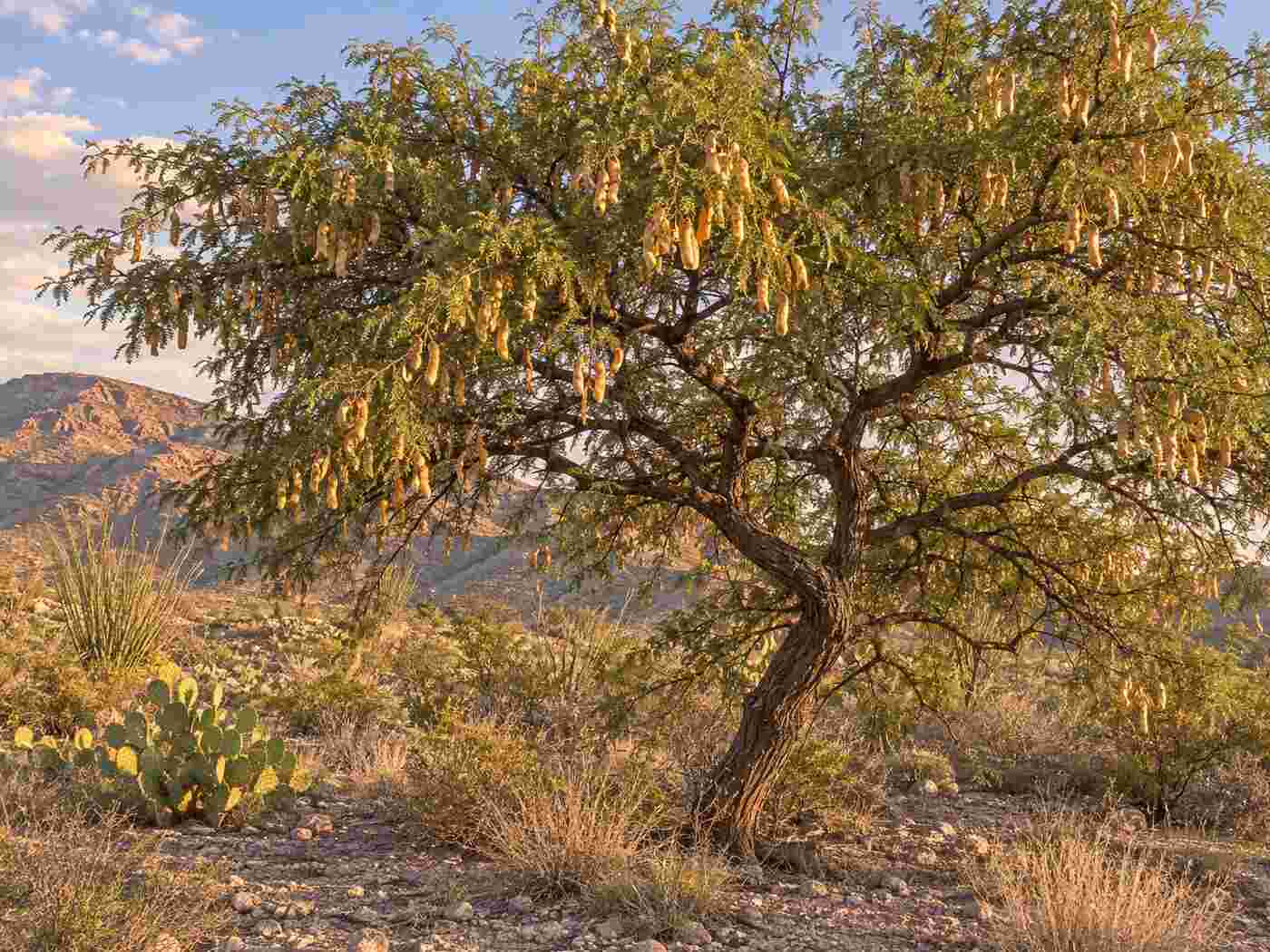
In short: edible desert plants of New Mexico include common purslane, a garden weed rich in omega-3 fats but high in oxalates, and mesquite, whose sweet pods have been a staple food for centuries and can be ground into a gluten-free flour. Mormon tea, an Ephedra shrub, has a long history as a beverage, but ephedrine-type compounds carry serious health risks and the FDA banned ephedra supplements in 2004. Always identify plants positively before eating them.
Wild food was a constant theme on the old Holy Scrap blog, which wrote about juicing purslane, grinding mesquite and brewing Mormon tea in the Chihuahuan Desert around Truth or Consequences. This guide covers those three plants using extension services, federal agencies and published research. It is not an identification key and not medical advice.
The first rule: positive identification
Every reputable foraging source starts in the same place. The University of Nevada, Reno Extension says to always positively identify a plant before eating it, because many edible plants have toxic lookalikes. Use a regional field guide, learn from experienced local people, and when in doubt leave the plant alone.
Harvest only where you have permission and where plants have not been sprayed, and avoid roadsides and contaminated ground. In a hot, dry climate, take only what you need so that plants can recover.
Purslane: a nutritious garden weed
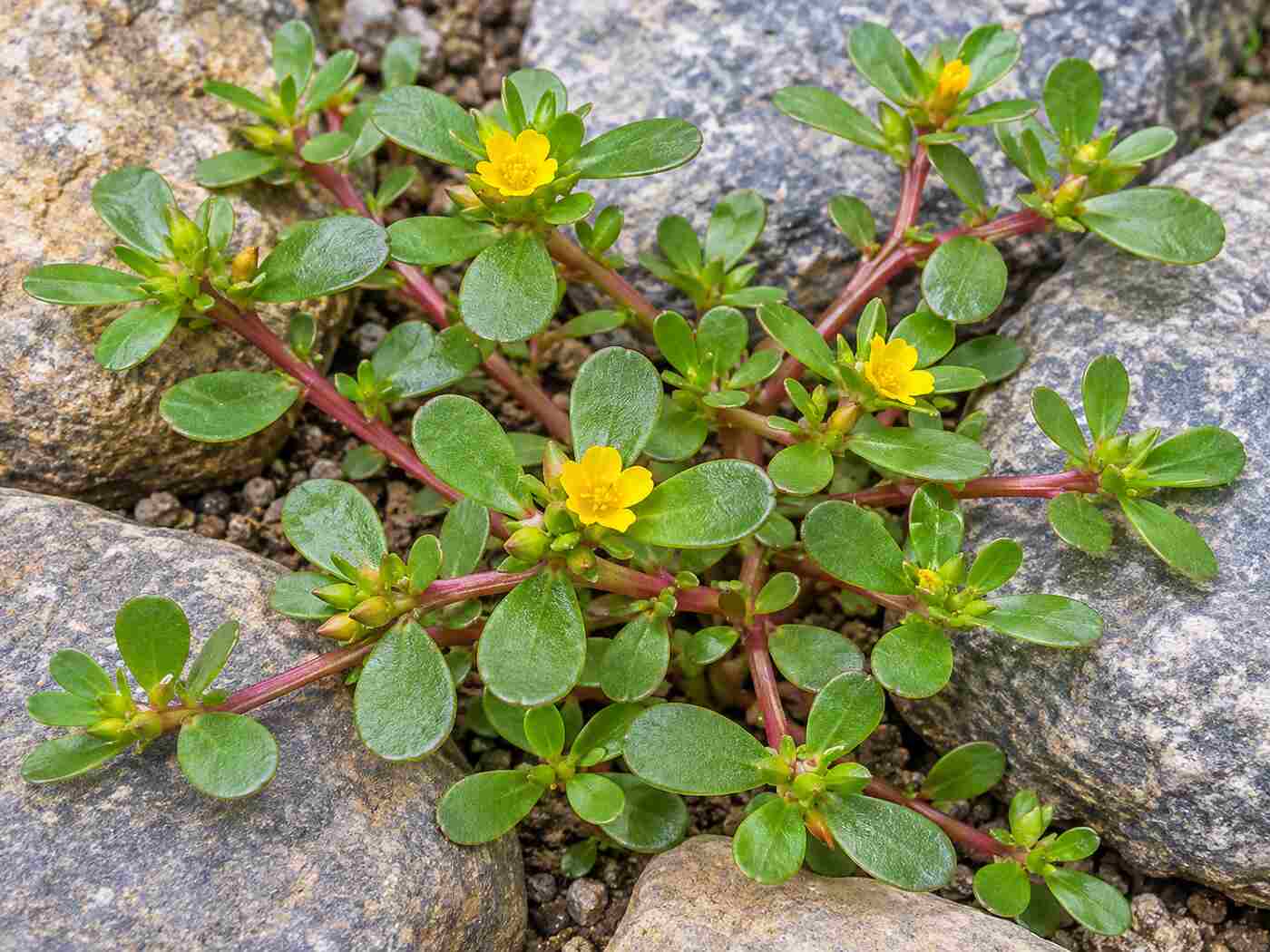
Common purslane (Portulaca oleracea) is a low, succulent plant with fleshy leaves and reddish stems that grows in summer in gardens and cracks in pavement. The University of Wisconsin–Madison horticulture extension describes it as high in omega-3 fatty acids and vitamins A and C. Its stems and leaves are mucilaginous, so they thicken soups and stews, and it can be harvested roughly six to eight weeks after it sprouts.
A 2014 review by Uddin and colleagues reported about 494 mg of potassium, 68 mg of magnesium and 65 mg of calcium per 100 g of fresh purslane, and 300 to 400 mg of alpha-linolenic acid, an omega-3 fat, per 100 g. It also noted that purslane can contain about five times the omega-3 of spinach.
Why purslane needs moderation
The same review measured oxalate levels of 671 to 869 mg per 100 g. Oxalates bind calcium and can contribute to kidney stones in people prone to them. The Wisconsin extension also flags oxalates as a reason for caution. Eating purslane as one part of a varied diet is the usual advice; people with a history of kidney stones should ask a doctor.
Mesquite: the desert’s bean tree
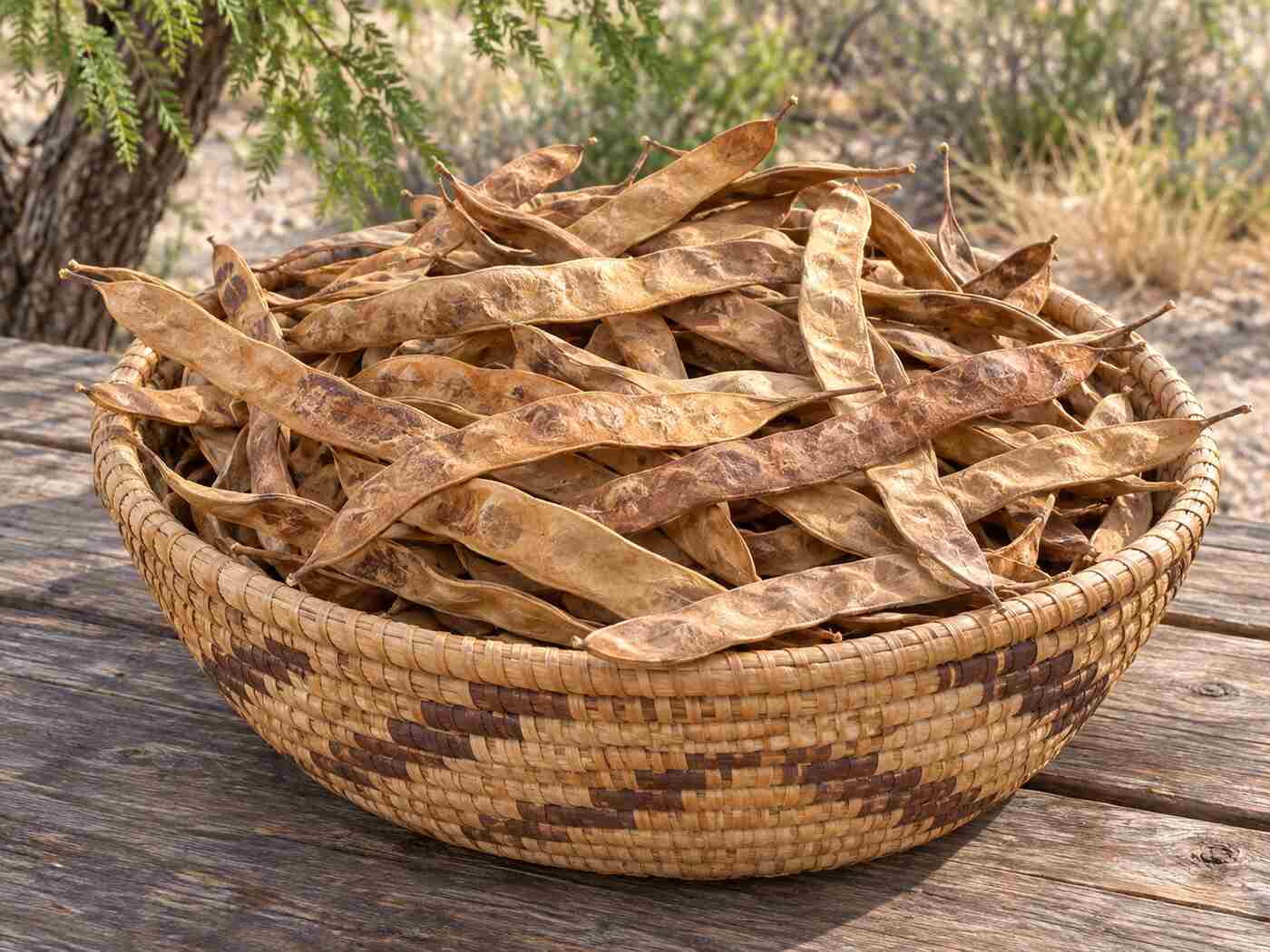
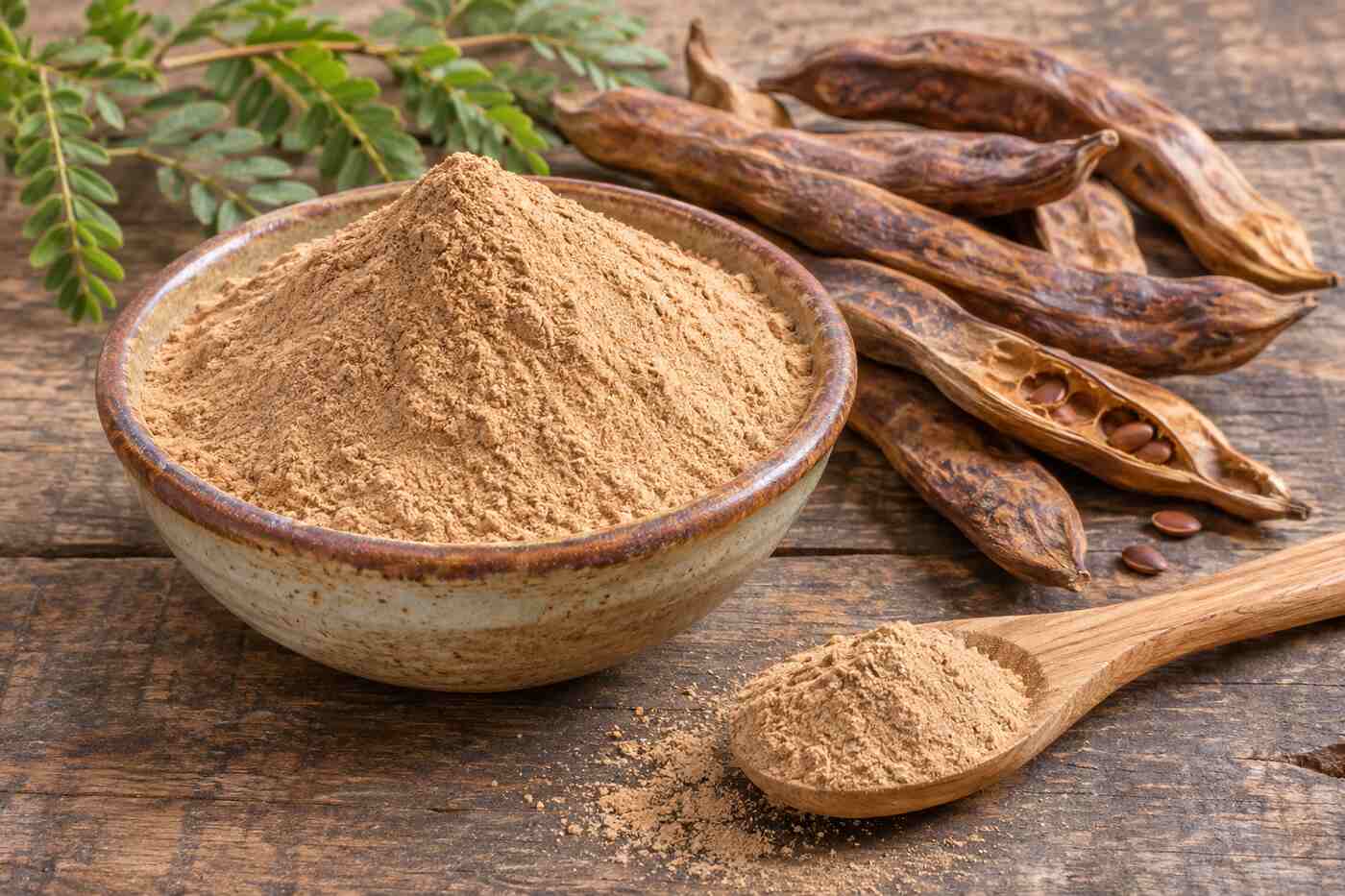
Mesquite trees are common across the Southwest. The National Park Service’s article on mesquite ethnobotany describes the pods as a staple food for many Indigenous peoples. The sweet part is the pulpy mesocarp around the hard seeds, and the ground pods can replace about a quarter of the flour in a recipe.
A USDA Agricultural Research Service study found that mesquite pods contain 13 to 50 percent sugar, 27 to 32 percent fibre and 11 to 17 percent protein. The flour is gluten-free, and the researchers tested it at 5 percent in biscuits and 10 percent in bread.
| Plant | Part eaten | Key nutrients | Main caution |
|---|---|---|---|
| Purslane | Leaves and stems | Omega-3, potassium, vitamins A and C | High oxalates |
| Mesquite | Dry pods, ground | Sugar, fibre, protein | Aflatoxin mould on fallen pods |
| Mormon tea | Stems as tea | Not a nutrition source | Ephedrine-type stimulant effects |
Harvesting mesquite safely
The University of Arizona’s guide Mesquite: It’s Food recommends picking pods straight from the tree when they are dry and tan, typically in June and July in the Sonoran Desert, and warns against collecting pods from the ground because they can carry aflatoxin, a toxin made by moulds. Pods should be dried thoroughly before grinding.
The same guide advises against grinding pods in a home blender, because the hard seeds can damage it; community hammermills are often used instead. It gives a serving of two tablespoons of mesquite flour as about 2 g of protein and 6 g of fibre.
Is Mormon tea safe to drink?
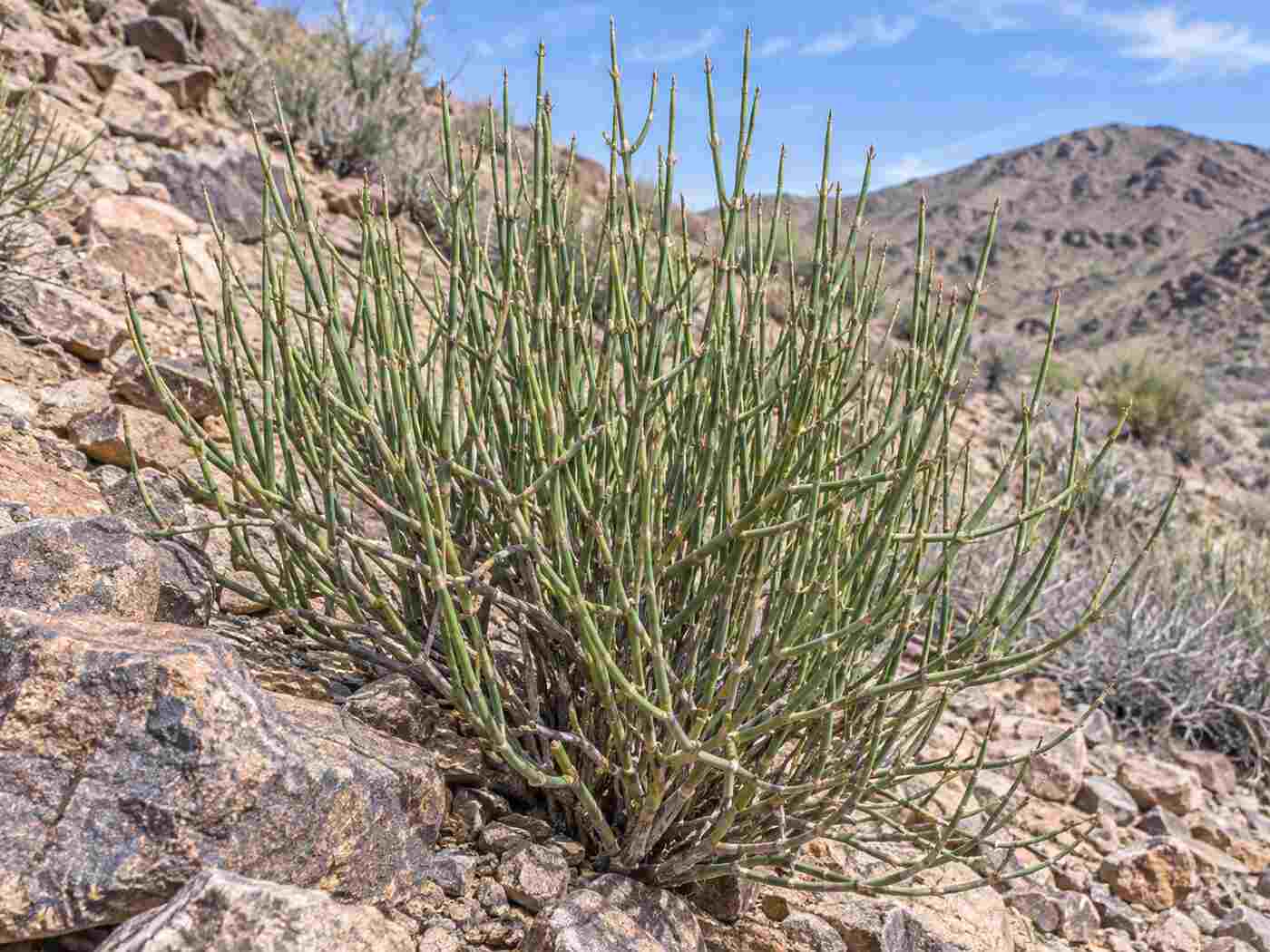
Mormon tea is a common name for several Ephedra shrubs of the Southwest, jointed green plants that look almost leafless. The old Holy Scrap blog posted a Mormon tea recipe. The plant family is also the source of ephedrine alkaloids, which act as stimulants.
The National Center for Complementary and Integrative Health says ephedra has been linked to serious side effects, including high blood pressure, heart attack and stroke. In 2004 the FDA issued a final rule declaring dietary supplements containing ephedrine alkaloids adulterated, which took effect on April 12, 2004. The rule applied to supplements, not to conventional foods such as herbal teas.
Our sources do not give reliable alkaloid figures for the Ephedra species that grow wild in New Mexico, so the strength of a home-brewed tea cannot be judged. Anyone with heart conditions, high blood pressure or who is pregnant should avoid it, and anyone else should speak with a doctor first.
Wild food in a post-consumer household
Foraging fits naturally with other low-waste habits. Fresh greens and pods keep longer in a cool, efficient fridge such as the one in our chest freezer to fridge conversion guide, and raised beds made from clean pallet wood, covered in our pallet wood reuse guide, can host purslane deliberately. Our Truth or Consequences history describes the desert setting these plants grow in.
Key takeaways
- Positively identify any wild plant before eating it.
- Purslane is rich in omega-3 fats and minerals but high in oxalates.
- Mesquite pods make a sweet, gluten-free flour; pick them from the tree, never the ground.
- Ephedra supplements were banned by the FDA in 2004; Mormon tea carries stimulant risks.
- These edible desert plants of New Mexico are best treated as occasional foods, not medicines.
Common questions
Can you eat purslane raw?
Yes. The Wisconsin extension describes purslane as edible raw in salads or cooked, where its mucilage thickens soups. Because it is high in oxalates, it is best eaten in moderation as part of a varied diet, and people prone to kidney stones should check with a doctor.
When are mesquite pods ready to pick?
The University of Arizona guide says pods are ready when they are dry and tan on the tree, typically June and July in the Sonoran Desert. Timing in New Mexico can vary with elevation and rainfall. Pick from the tree, not the ground, to avoid aflatoxin-producing moulds.
Is mesquite flour gluten-free?
Yes. A USDA Agricultural Research Service study describes mesquite flour as gluten-free, with high sugar, fibre and protein. It is usually blended with other flours; the researchers tested it at 5 percent in biscuits and 10 percent in bread, and the Park Service suggests replacing about a quarter of the flour.
Is Mormon tea the same as ephedra?
Mormon tea is a common name for several Ephedra species in the American Southwest. The genus is the source of ephedrine alkaloids. The FDA banned ephedrine-alkaloid dietary supplements in 2004 over risks such as heart attack and stroke, though the rule did not cover conventional teas.
Where can I learn to identify desert plants?
University extension services, native plant societies and regional field guides are the usual starting points. The University of Nevada, Reno Extension stresses positive identification before eating any wild plant. Learning alongside experienced local foragers is also widely recommended.
How we put this together: we drew on university extension services, a peer-reviewed review of purslane, the National Park Service, a USDA study, the University of Arizona and federal health and regulatory sources for ephedra. This is general information, not medical advice. Return to the home page for more guides.
Sources
- University of Nevada, Reno Extension, foraging guidance
- University of Wisconsin–Madison Extension, common purslane
- Uddin et al. (2014), purslane nutrition review
- National Park Service, ethnobotany of mesquite trees
- University of Arizona, Mesquite: It’s Food
- USDA Agricultural Research Service, mesquite flour study
- NCCIH, ephedra
- Federal Register, FDA final rule on ephedrine alkaloids (2004)