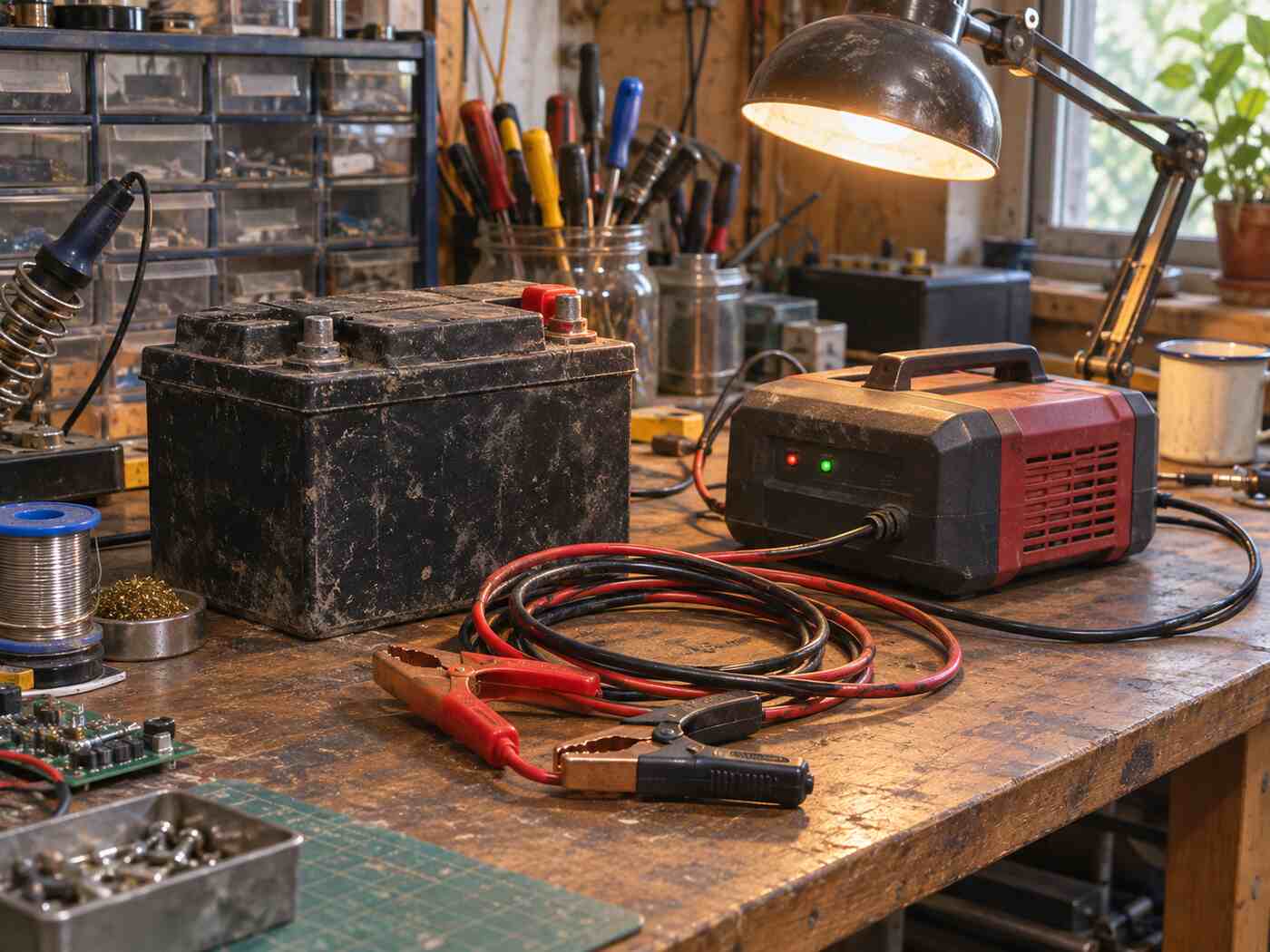
In short: lead-acid battery desulfation means trying to dissolve the lead sulfate crystals that build up when a battery sits partly charged. Battery University says soft sulfation can often be reversed with a controlled overcharge, but hard sulfation that has set in over weeks or months usually cannot. Pulse desulfators are widely sold, yet the evidence that they revive dead batteries is weak. Nickel-cadmium tool packs fail in a different way and respond to deep discharge cycles instead.
Battery revival was a favourite topic on the old Holy Scrap blog, which posted about desulfators, sealed lead-acid recovery and dead power tool packs. The interest is easy to understand. In an off-grid home the battery bank is one of the most expensive parts of the system, and a reliable way to add years to it would be worth a great deal. This guide sets out what technical sources say, where they disagree, and how to handle the toxic materials safely.
What is sulfation?
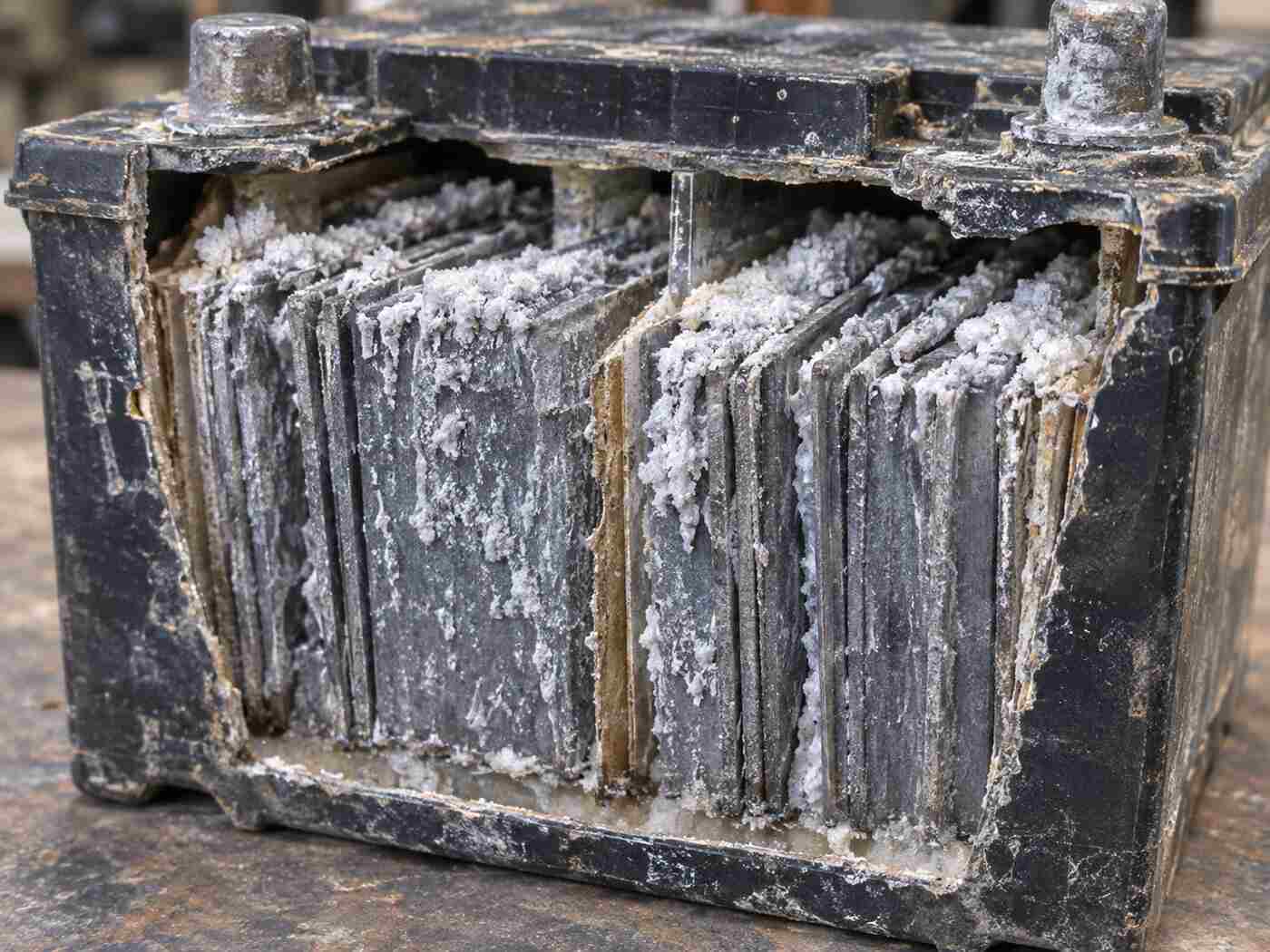
Sulfation is the build-up of lead sulfate crystals on a battery’s plates. Every time a lead-acid battery discharges, lead sulfate forms as a normal part of the chemistry, and charging turns it back into lead and acid. According to Battery University, trouble starts when a battery is deprived of a full charge. The sulfate then forms larger, stable crystals that do not convert back easily, which reduces capacity and raises internal resistance.
Battery University separates two kinds. Soft, or reversible, sulfation is caught early and can usually be corrected. Hard, or permanent, sulfation sets in when a battery is stored at a low state of charge for weeks or months, and by then the crystals resist any normal charge.
How a controlled overcharge works
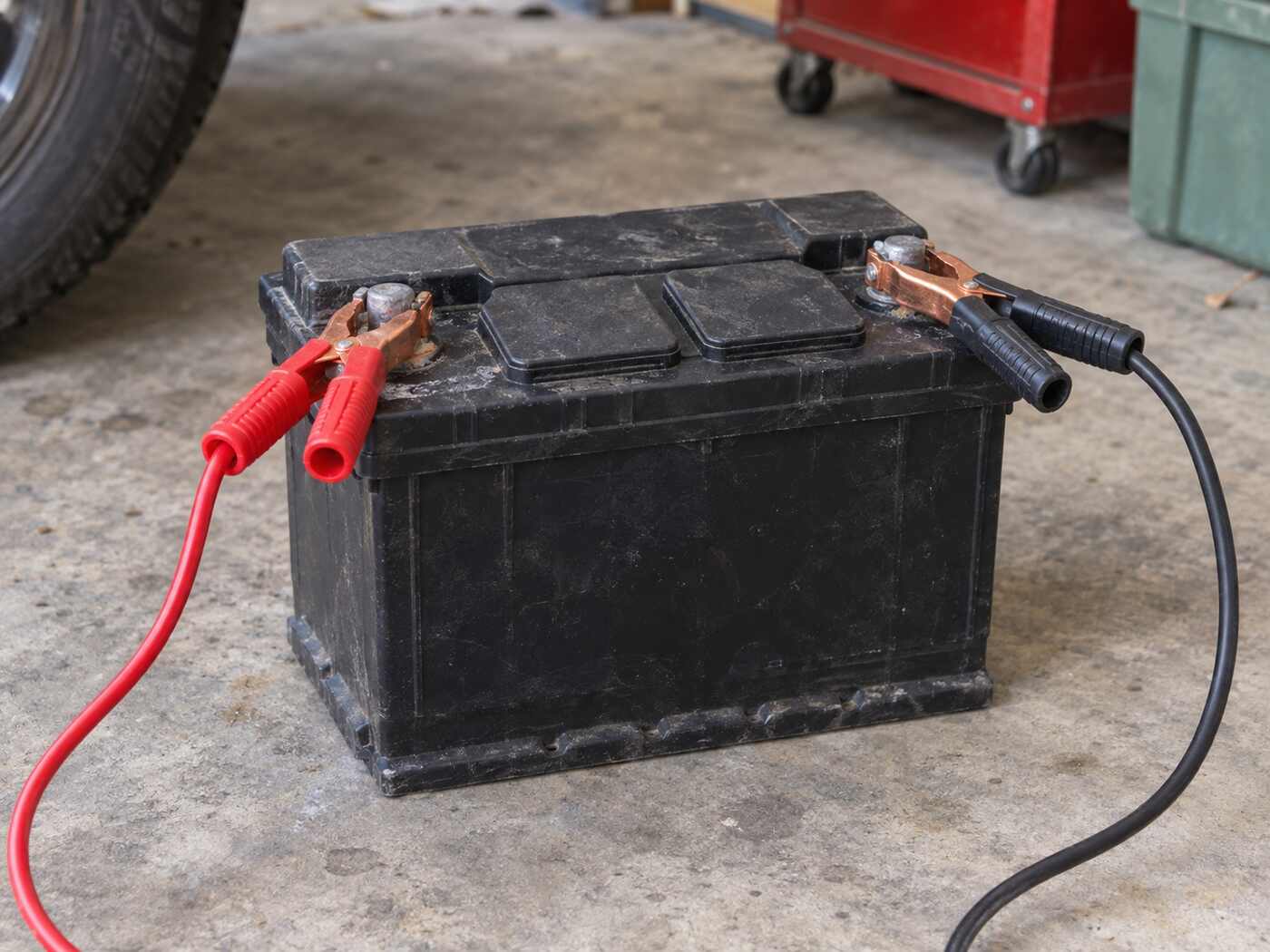
The standard fix for soft sulfation is a deliberate, controlled overcharge, often called an equalizing charge. Battery University describes applying about 200 mA while letting the voltage rise to 2.50 to 2.66 volts per cell, which is about 15 to 16 volts on a 12-volt battery, for around 24 hours. Raising the battery temperature to 50 to 60°C (122 to 140°F) can help the process.
This is not a casual job. Overcharging produces gas, and in flooded batteries that gas is hydrogen and oxygen. Sealed batteries can be damaged by voltages that a flooded battery tolerates. The figures above come from a technical reference, so follow the battery maker’s own charging limits if they are stricter.
Do pulse desulfators work?
Pulse desulfators send short, high-frequency current pulses into a battery, and their makers say the pulses break up sulfate crystals. The evidence is mixed. Battery University’s view is that pulse devices may slow sulfation in a battery that is still healthy, but cannot reverse established sulfation. It adds that they can cause grid corrosion and soft shorts. A separate Battery University article on charging calls results from pulse charging inconclusive.
A paper on desulfators from the AeroElectric Connection, an aircraft electrical systems site, is blunter and questions whether the claims made for them hold up. Hobbyist reports of revived batteries are common online, but they rarely include before-and-after capacity measurements, so it is hard to separate a real recovery from the effect of simply charging a neglected battery fully.
Prevention matters more than repair
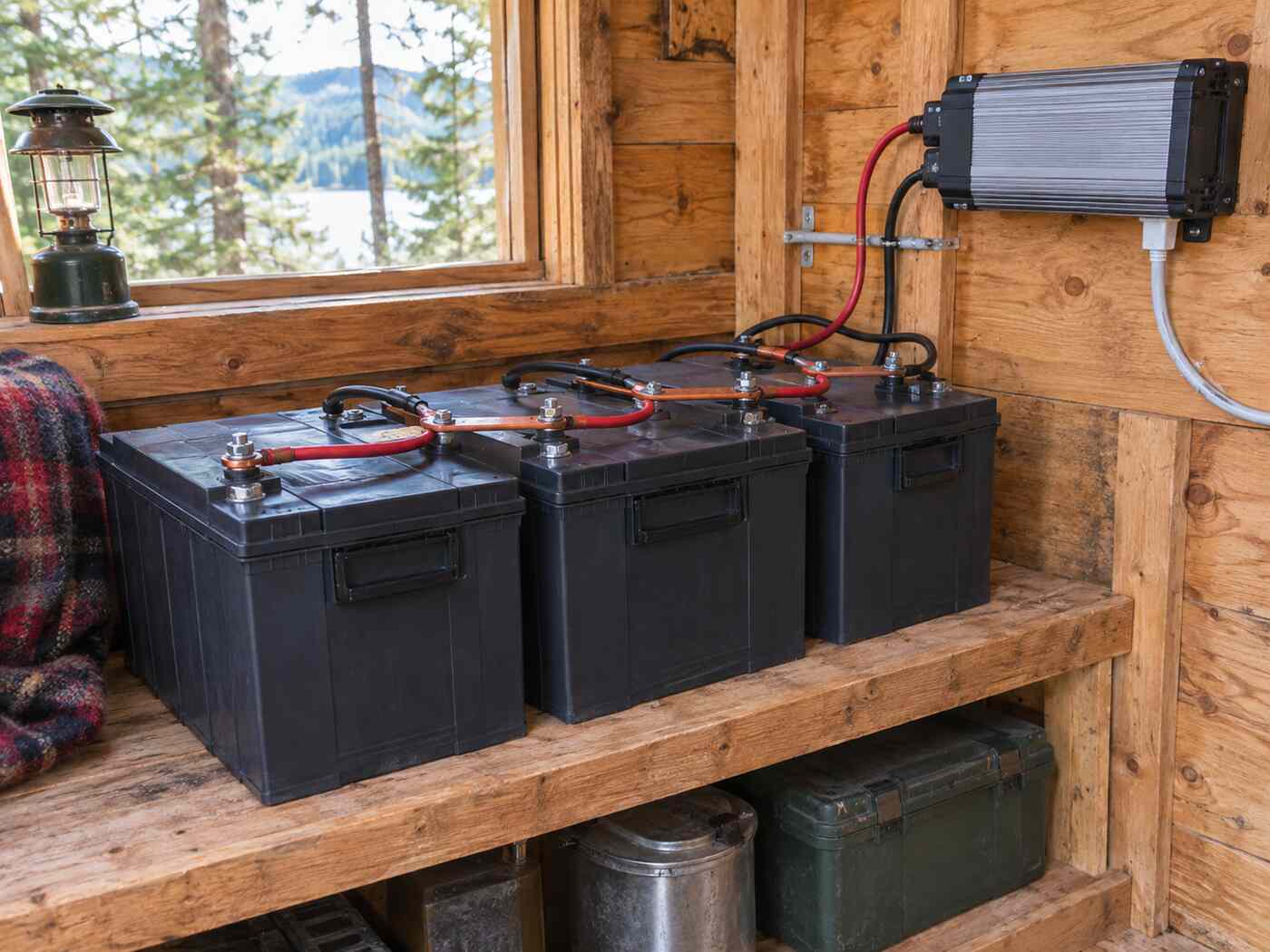
Every source points to the same conclusion: the best desulfation is never needing it. Keep lead-acid batteries fully charged, recharge promptly after use, and store them charged on a maintenance charger rather than letting them sit. Battery University links sulfation directly to charge deprivation, which is common in solar systems that run short of sun for days at a time and in vehicles that are rarely driven.
In an off-grid home that means sizing the panels to recharge the bank fully on most days, and cutting loads so the bank is not drained deeply. Shrinking a large load, for example with a chest freezer to fridge conversion, helps keep the bank nearer full.
Nickel-cadmium tool packs are different
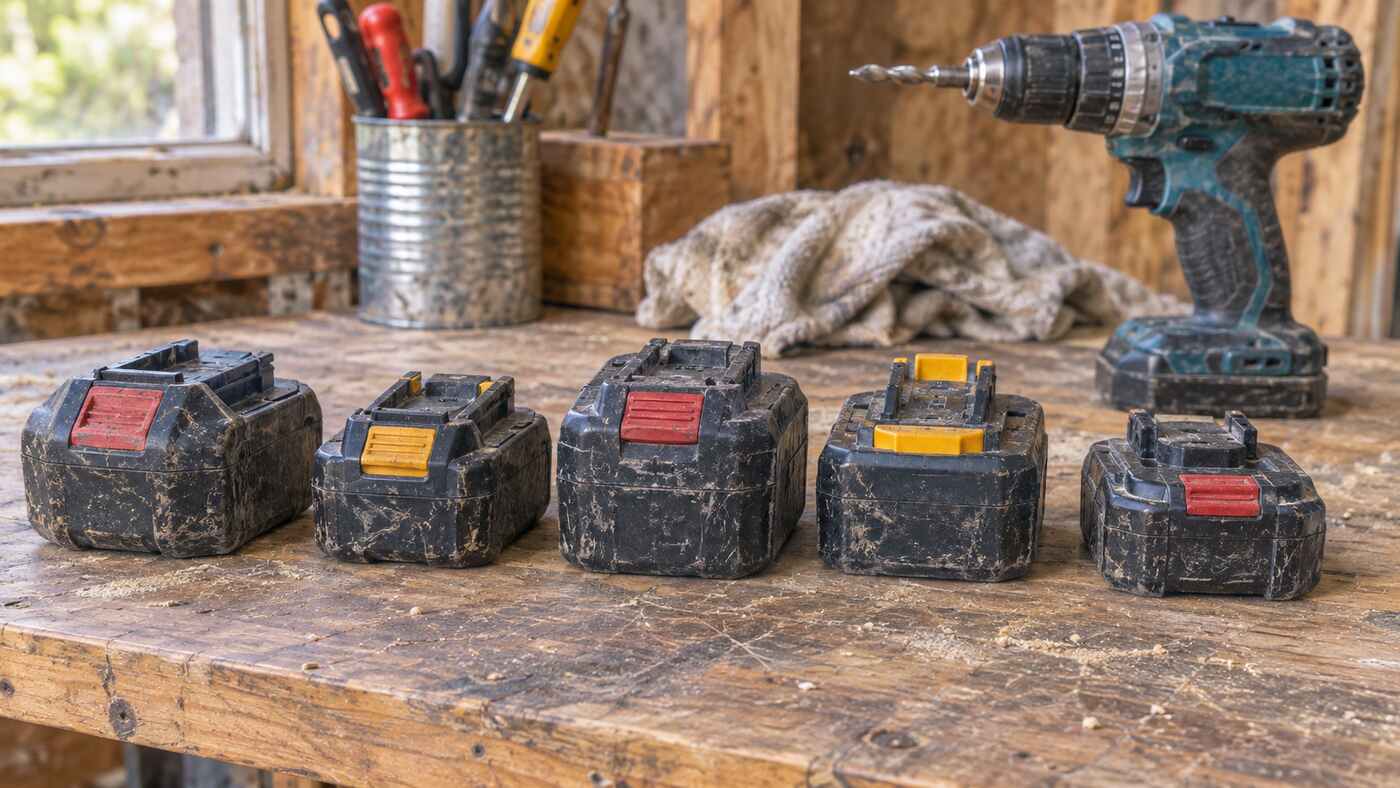
Older cordless power tools often use nickel-cadmium (NiCd) packs, and they lose capacity through crystalline formation, sometimes called memory. Battery University’s guide to restoring nickel-based batteries explains that the crystals grow when the pack is repeatedly topped up without being run down. The remedy is exercise: discharging the pack to about 1 volt per cell every one to three months. A slower, deeper discharge to about 0.4 volts per cell, called reconditioning, can recover packs that exercise alone does not.
Battery University reports that US Army tests found discharging to at least 0.6 volts per cell gave good results, and describes how crystals that start very small can grow to 3 to 5 microns in a neglected cell.
Comparing the two chemistries
| Issue | Lead-acid | Nickel-cadmium |
|---|---|---|
| Main ageing process | Sulfation from charge deprivation | Crystalline formation from shallow cycling |
| Prevention | Keep fully charged | Exercise to about 1 V per cell every 1–3 months |
| Recovery method | Controlled overcharge for soft sulfation | Reconditioning to about 0.4 V per cell |
| Main hazard | Lead, sulfuric acid, hydrogen gas | Cadmium, a toxic heavy metal |
Safety and recycling
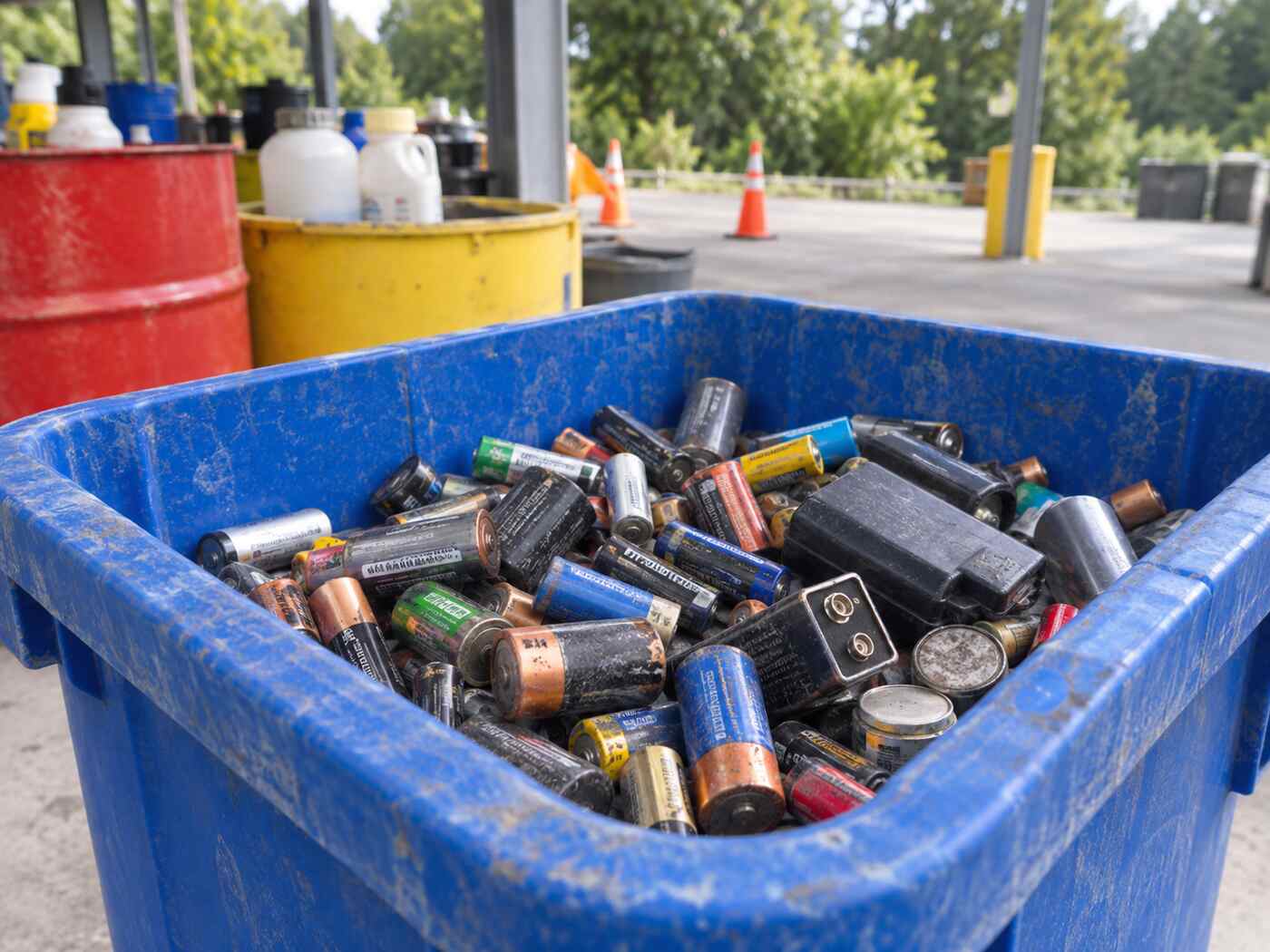
Lead-acid batteries hold a lot of hazardous material. The US Environmental Protection Agency says a single lead-acid battery can contain up to 18 pounds of lead and about a gallon of corrosive sulfuric acid. It warns against putting them in household trash and says retailers and household hazardous waste programmes accept them for recycling. The EPA also lists nickel-cadmium as a chemistry used in cordless power tools that should be recycled, and notes that lithium-ion batteries can cause fires if damaged or thrown away with ordinary waste.
Wear eye protection and gloves when handling batteries, charge in a ventilated space, and keep sparks and flames away from flooded batteries on charge. If a battery is swollen, leaking or hot, stop and take it to a recycler.
Key takeaways
- Lead-acid battery desulfation can work on soft sulfation caught early, using a controlled overcharge.
- Hard sulfation after weeks or months at low charge is usually permanent.
- Evidence that pulse desulfators revive dead batteries is weak, and they may cause corrosion.
- Nickel-cadmium packs recover through exercise and reconditioning, not desulfation.
- Recycle all lead-acid and NiCd batteries; never put them in the trash.
Common questions
Can I bring a completely dead car battery back to life?
Sometimes, if the problem is soft sulfation and the battery has not been flat for long. Battery University says soft sulfation can be corrected with a controlled overcharge, but a battery left discharged for weeks or months usually has hard sulfation, which does not respond. A capacity test after charging is the only way to know whether the battery is useful again.
Is a pulse desulfator worth buying?
The technical sources we reviewed are sceptical. Battery University says pulse devices may slow sulfation in a healthy battery but cannot reverse established sulfation, and can cause grid corrosion. The AeroElectric paper questions the claims more strongly. A good maintenance charger that keeps the battery full is the better-supported investment.
What voltage is used for an equalizing charge?
Battery University describes letting the voltage rise to 2.50 to 2.66 volts per cell, about 15 to 16 volts on a 12-volt battery, at a low current of about 200 mA for roughly 24 hours. Battery makers publish their own limits, and sealed batteries usually need gentler treatment, so check the manual first.
Why does my old drill battery die so quickly?
If it is a nickel-cadmium pack, the likely cause is crystalline formation from being topped up repeatedly without full discharge. Battery University recommends discharging to about 1 volt per cell every one to three months, and deeper reconditioning for packs that have lost a lot of capacity.
Where do I take a used lead-acid battery?
The EPA says retailers that sell lead-acid batteries and local household hazardous waste programmes accept them for recycling. Do not put them in household trash or recycling bins, because of the lead and acid they contain.
How we put this together: we based the chemistry and charging figures on Battery University, set them against the critical AeroElectric paper, and took disposal guidance from the EPA. We have not tested any desulfator ourselves. See also our guides to waste vegetable oil as fuel and pallet wood reuse, or go back to the home page.