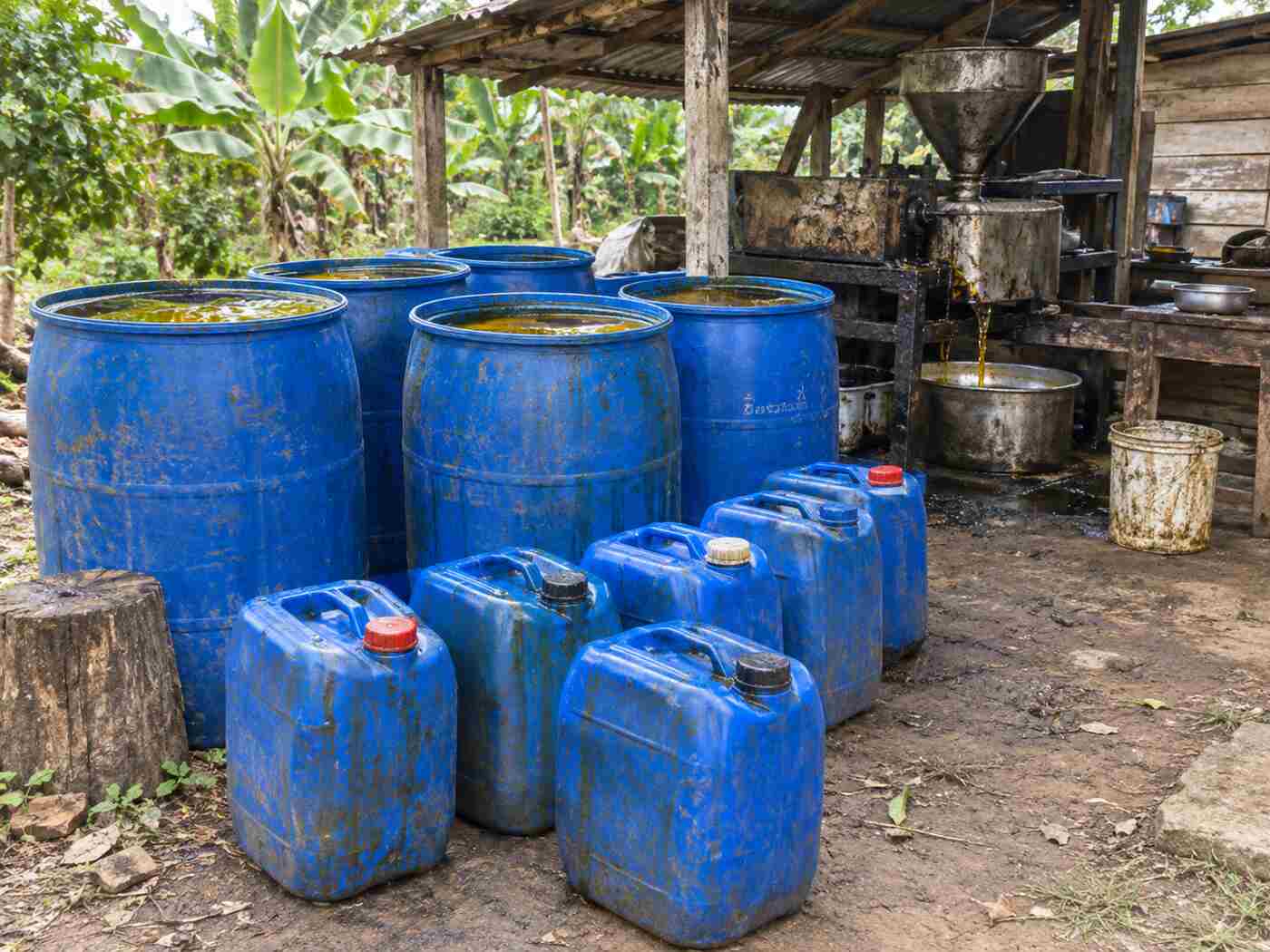
In short: waste vegetable oil as fuel can mean two very different things. Straight vegetable oil (SVO) is filtered cooking oil burned in a diesel engine, and the US Department of Energy says it is not an acceptable fuel because it causes carbon deposits, thins engine oil and wears pumps and injectors. Biodiesel is made from the same oils by a chemical reaction with methanol, and meets a fuel standard. Most engine makers approve blends such as B5 and B20.
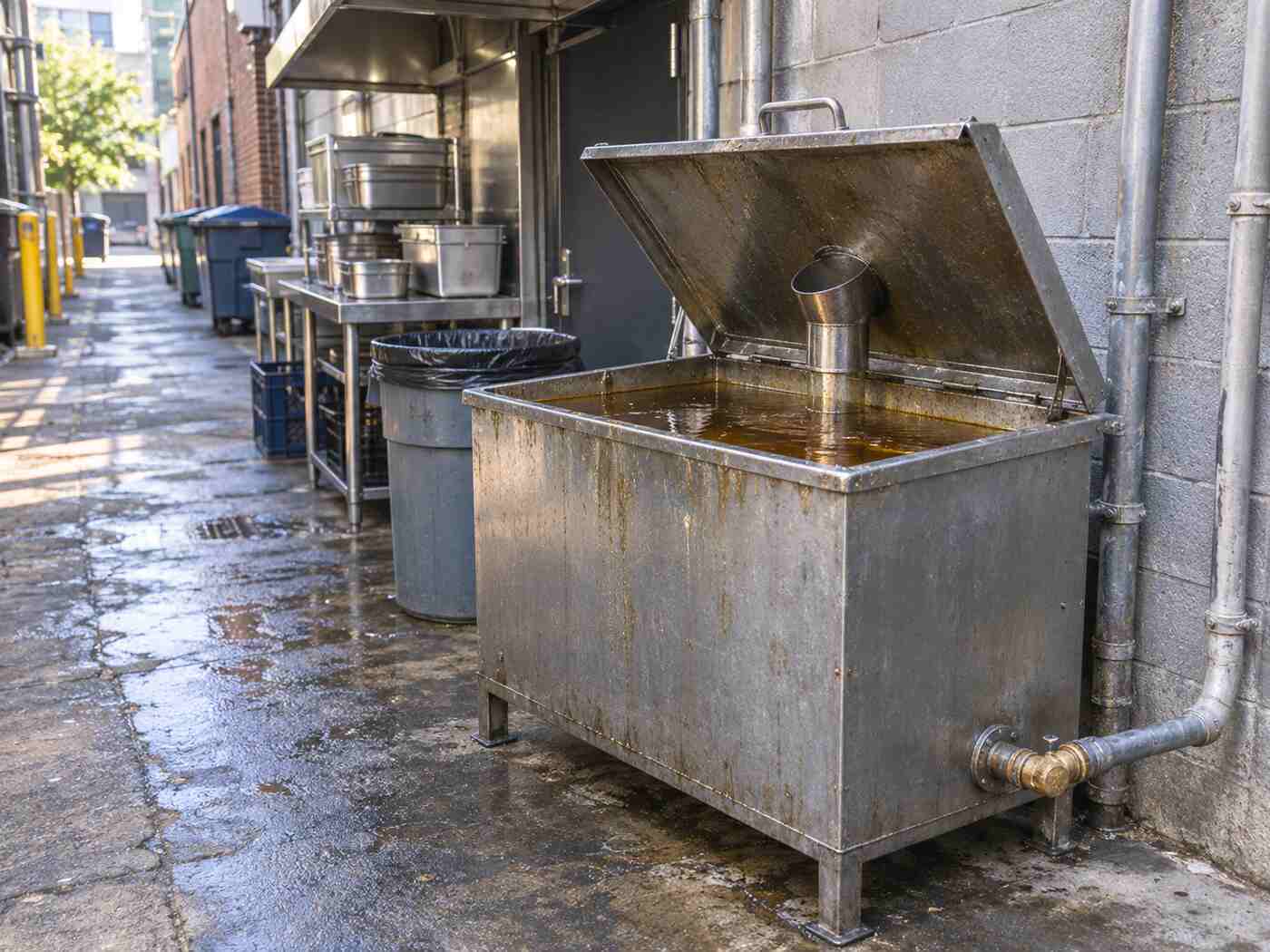
Home-made fuel was one of the projects the old Holy Scrap blog described, including a denim waste oil filter and posts on DIY biofuel and biodiesel. The appeal is obvious: restaurants throw away used cooking oil, and diesel engines will run on it. This guide sets out what federal researchers have found, why SVO and biodiesel are not the same thing, and what the risks are.
What is straight vegetable oil?
Straight vegetable oil, or SVO, is vegetable oil used as fuel without chemical conversion. When it has already been used for frying, it is often called waste vegetable oil, or WVO. Users filter it to remove food particles and water, and many fit their vehicles with a second fuel tank and a heating system to thin the oil before it reaches the engine.
The Alternative Fuels Data Center fact sheet on SVO, published by the US Department of Energy, states plainly that SVO is not an acceptable diesel fuel and is not a legal motor fuel for on-road use.
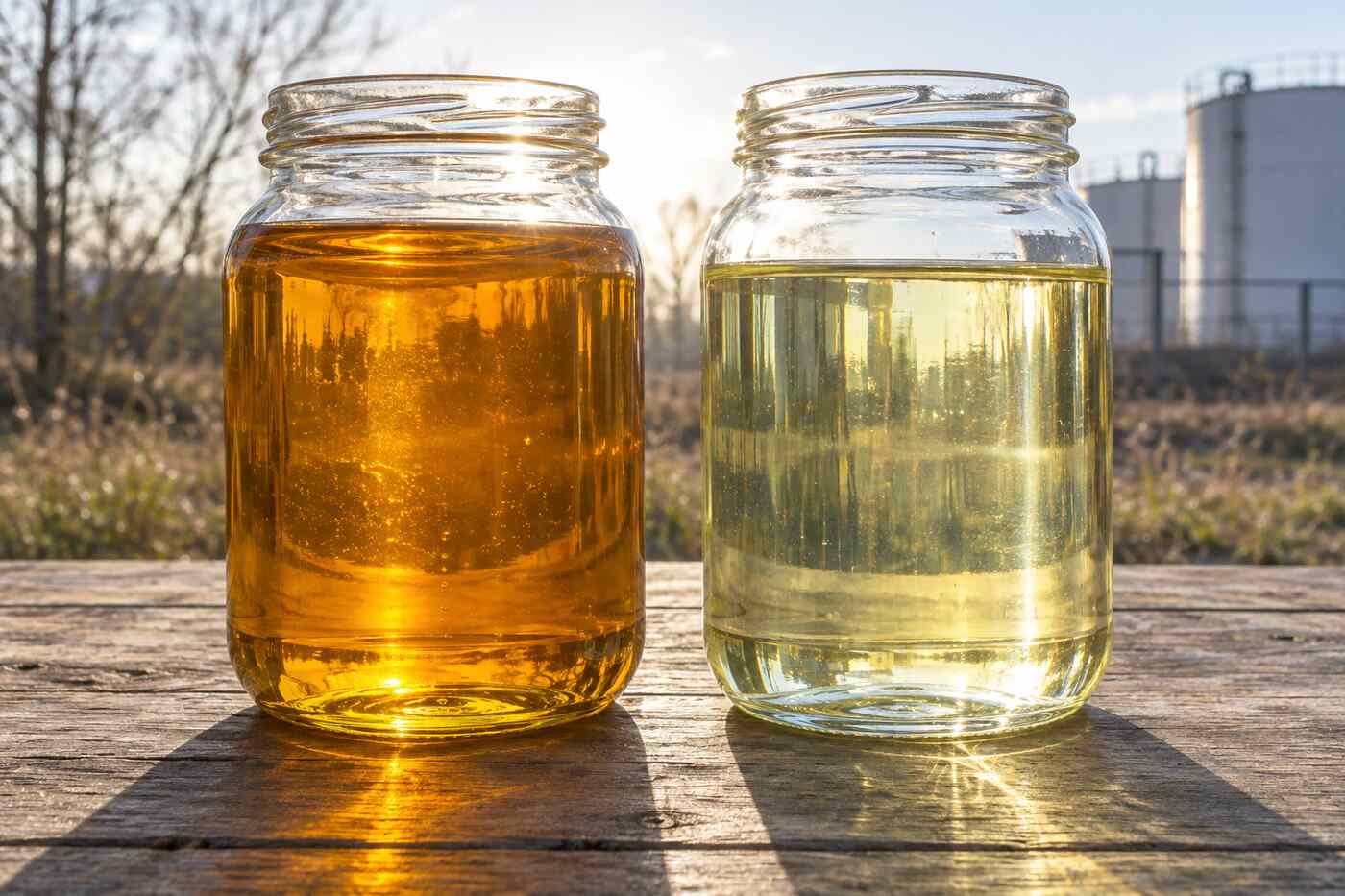
Why SVO harms diesel engines
The core problem is viscosity. Vegetable oil is many times thicker than diesel fuel, especially when cold. According to the AFDC fact sheet, this high viscosity wears fuel pumps and injectors and leads to poor spray patterns in the cylinder. The result is incomplete combustion, carbon deposits on injectors and pistons, and unburned oil washing past the piston rings into the engine oil.
That last effect, lubricating oil dilution, matters even in small amounts. The fact sheet notes that problems have been seen at blend levels as low as 1 percent. Diluted engine oil loses its ability to protect bearings and other moving parts. Modern diesels add another risk: SVO can damage exhaust after-treatment systems such as particulate filters and catalysts.
Two reports from the National Renewable Energy Laboratory, a 2006 study and a 2014 review, reached the same conclusions after looking at the research literature.

Can heating the oil fix the problem?
Heating oil before it reaches the injectors does bring its viscosity closer to diesel’s, and blending SVO with diesel thins it too. The AFDC fact sheet says these steps can reduce the problems but do not eliminate them. The chemistry of the oil is unchanged, so deposits and oil dilution can still build up over time. Short-term tests that show an engine running well can miss damage that only appears after many hours.

How biodiesel is different
Biodiesel is a fuel made from vegetable oils, animal fats or used cooking oil through a chemical process called transesterification. The AFDC biodiesel production page explains that the oil reacts with an alcohol, usually methanol, in the presence of a catalyst such as sodium hydroxide. The reaction splits the oil into biodiesel and glycerin, which is removed as a coproduct.
The result has a viscosity close to diesel’s and burns cleanly in a diesel engine. Crucially, the AFDC stresses that raw or used vegetable oils are not biodiesel. Only fuel that meets the ASTM biodiesel standard can be sold as biodiesel.
| Feature | Straight vegetable oil | Biodiesel |
|---|---|---|
| Processing | Filtered only | Transesterified with methanol and a catalyst |
| Viscosity | Much higher than diesel | Close to diesel |
| Fuel standard | None; not a legal motor fuel | Meets ASTM specifications |
| Engine approval | Not approved | B5 widely; B20 by about 80 percent of makers |
| Coproduct | None | Glycerin |
Biodiesel blends and engine approvals
Biodiesel is normally sold blended with petroleum diesel. B5 means 5 percent biodiesel, B20 means 20 percent. The AFDC’s Biodiesel Basics guide says original equipment manufacturers approve B5, and about 80 percent of them approve B20 in their engines. Higher blends need checks on seals, fuel systems and cold-weather behaviour.

Making biodiesel at home
Hobbyists do make small batches of biodiesel. The process involves methanol, which is toxic and highly flammable, and sodium hydroxide, which is caustic. Those hazards are why home production calls for protective equipment, ventilation and careful handling of waste glycerin and wash water. Our sources do not provide a home recipe, and we do not either. Commercial biodiesel made from used cooking oil is widely available, and that route avoids the chemical risks.
Is waste vegetable oil as fuel worth it?
For a vehicle on the road, the federal evidence points away from SVO and towards properly made biodiesel. The savings on free oil can be wiped out by repairs to pumps, injectors or an engine with diluted oil. For other uses, such as heating, the trade-offs are different, but the same viscosity and combustion issues apply to any burner designed for diesel or heating oil.
Reducing fuel use is often the cheaper win. The same logic runs through our guides to chest freezer to fridge conversion and lead-acid battery desulfation, and our pallet wood reuse guide covers another material whose history matters before you reuse it.
Key takeaways
- Waste vegetable oil as fuel comes in two forms: straight vegetable oil and biodiesel.
- The Department of Energy says SVO is not an acceptable diesel fuel or a legal motor fuel.
- SVO causes deposits, thins engine oil and wears pumps and injectors; heating reduces but does not remove these effects.
- Biodiesel is made by transesterification and meets a fuel standard.
- Engine makers approve B5, and about 80 percent approve B20.
Common questions
Can a diesel engine run on cooking oil?
It can start and run, but the Department of Energy says straight vegetable oil is not an acceptable fuel. Its high viscosity causes poor combustion, carbon deposits, wear on pumps and injectors, and dilution of the engine oil. Problems can build up gradually, so an engine may seem fine in the short term while damage accumulates.
Is straight vegetable oil legal to use in a car?
The AFDC’s Biodiesel Basics guide says SVO is not a legal motor fuel. Fuels sold or used on public roads are expected to meet recognised standards, and SVO meets none. Rules on taxes and registration also vary by state, so check before using any alternative fuel on the road.
What is the difference between SVO and biodiesel?
SVO is filtered vegetable oil with its chemistry unchanged. Biodiesel is made by reacting the oil with methanol and a catalyst, which produces a fuel close to diesel in viscosity plus a glycerin coproduct. Biodiesel meets ASTM standards and is approved by engine makers in blends; SVO is not.
Does heating vegetable oil make it safe for engines?
Heating thins the oil and reduces some problems, according to the AFDC fact sheet, but it does not eliminate them. Deposits and lubricating oil dilution can still occur because the oil’s chemistry has not changed. Reviews by the National Renewable Energy Laboratory reached the same conclusion.
Can used cooking oil become biodiesel?
Yes. The AFDC lists used cooking oil and yellow grease among recognised feedstocks for biodiesel production. The oil is processed by transesterification and the finished fuel must meet the ASTM standard. Commercial producers collect used cooking oil from restaurants for this purpose.
How we put this together: we based this guide on Department of Energy Alternative Fuels Data Center publications and National Renewable Energy Laboratory reports. We have not run a vehicle on vegetable oil, and nothing here is a recipe. Browse more guides from the home page.